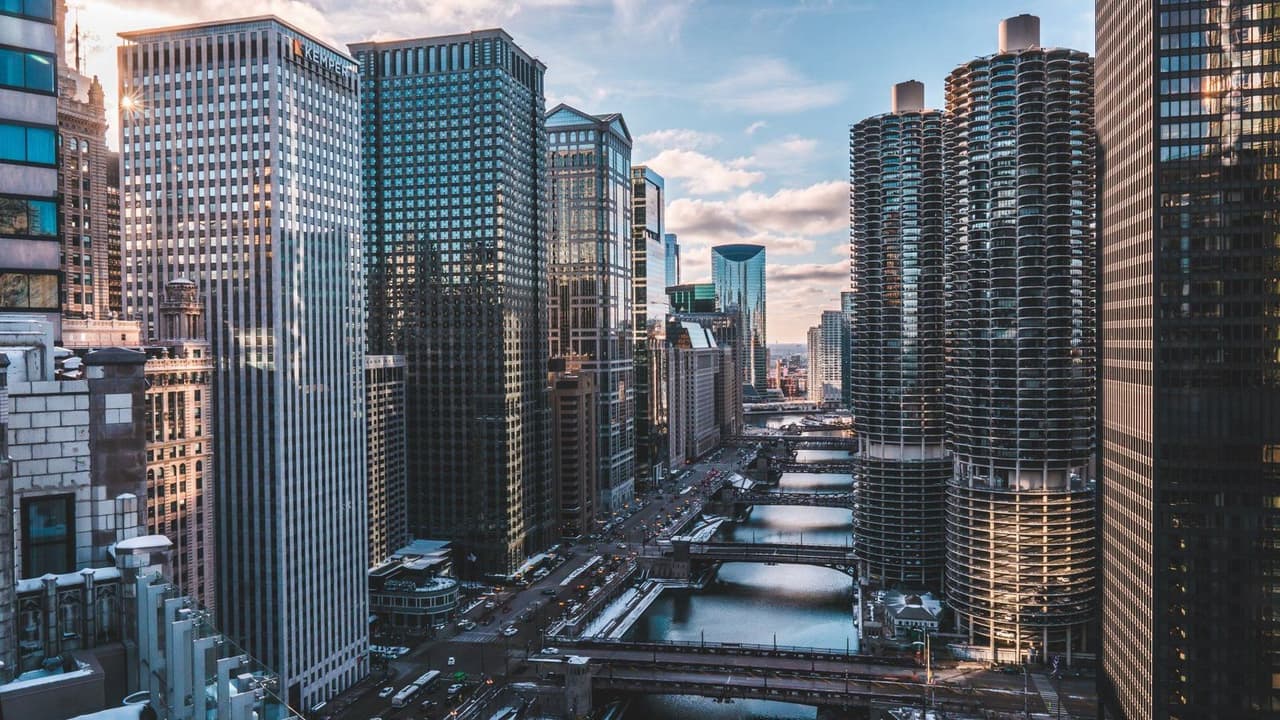
Chicago rewards travelers who look up. Born from the ashes of the Great Fire of 1871, the city rebuilt itself into the birthplace of the modern skyscraper, and that ambition is still written across its skyline. But Chicago is more than its towers. It's a lakefront city with miles of free public beaches, a food town where immigrant traditions collide on every block, and a place where world-class art and blues clubs sit a short train ride apart.
The result is a destination that feels big without feeling overwhelming. Most of the marquee sights cluster around the Loop, the lakefront, and a handful of walkable neighborhoods, so a few well-chosen days go a long way. Here's how to spend them — the icons worth your time, the experiences locals actually recommend, and the practical details that make a trip run smoothly. When you're ready to book, you'll find curated Chicago tours and experiences ready to reserve.
Start With the Architecture River Cruise
If you do one thing in Chicago, make it an architecture boat tour along the Chicago River. It's the single best way to understand the city, and it's the experience locals send every visitor to first. From the water, certified guides narrate the story of more than a century of design — Gothic revival, Art Deco, mid-century glass, and bold contemporary towers — as the boat glides between the riverbanks and out toward Lake Michigan.
Several operators run these cruises, and the quality varies, so it's worth booking a well-reviewed one in advance. Plan for roughly 75 to 90 minutes on the water, bring a light jacket even in summer (the lake breeze is real), and aim for a daytime departure for photos or a sunset slot for golden light on the glass facades. You can compare and reserve architecture cruises and other Windy City experiences on our full tours catalog.
Climb the Skyline: Willis Tower and 360 Chicago
Chicago invented the skyscraper, so getting up high is practically a civic ritual. The two main observation decks each have their own personality.
Skydeck Chicago, at the top of Willis Tower (the former Sears Tower), is the city's tallest. Its famous draw is "The Ledge" — glass boxes that extend out from the building so you can stand suspended over the street far below. On the north side of downtown, 360 Chicago sits atop the former John Hancock Center and offers "Tilt," a platform that leans you out over the Magnificent Mile, plus sweeping views up the lakefront.
Both get busy, so timing matters more than which one you pick. Go right at opening or in the last hour before close to dodge the longest lines, and check the forecast — clear days are obviously the payoff.
Millennium Park, the Museum Campus, and the Riverwalk
Chicago's public spaces are genuinely some of the best in the country, and most cost nothing to enjoy.
Millennium Park is the obvious anchor, home to Cloud Gate — the mirror-polished sculpture everyone calls "The Bean." Wander over to the Crown Fountain, the Lurie Garden, and the Pritzker Pavilion, which hosts free concerts in warm months. Just south, the Museum Campus lines up three heavyweights along the lake: the Field Museum (home to Sue, one of the most complete T. rex fossils ever found), the Shedd Aquarium, and the Adler Planetarium, which has knockout skyline views from its lakefront point.
For a slower afternoon, the Chicago Riverwalk threads along the south bank of the river downtown, dotted with cafes, wine bars, and kayak launches. And don't skip the Art Institute of Chicago, one of the world's great museums — its Impressionist collection and American Gothic alone justify a couple of hours.
Eat Like a Chicagoan
Chicago food is a contact sport, and you should arrive hungry. The headliners are well known but still worth it: deep-dish pizza (a knife-and-fork affair best shared) and the Chicago-style hot dog — yellow mustard, onion, relish, pickle, tomato, sport peppers, celery salt, and absolutely no ketchup.
Beyond the classics, dig into the Italian beef sandwich (order it "dipped" and "hot"), and explore the city's deep immigrant roots: taquerias in Pilsen and Little Village, Polish and Eastern European fare on the Northwest Side, and Chinatown south of the Loop. For an immersive intro, a guided food tour through a single neighborhood is one of the smartest experiences you can book — you'll eat well and learn the city's history through its kitchens.
Explore the Neighborhoods
The Loop and lakefront are the postcard, but Chicago's neighborhoods are the soul of the city.
- Wicker Park & Bucktown — vintage shops, indie boutiques, and a strong bar and coffee scene.
- Pilsen — vibrant Mexican-American culture, striking murals, and the National Museum of Mexican Art (free admission).
- Hyde Park — the University of Chicago's leafy campus and the excellent Museum of Science and Industry.
- Lincoln Park — the free Lincoln Park Zoo, a conservatory, and easy lakefront beach access.
- Logan Square — one of the city's best dining-and-cocktail corridors.
Each is reachable by the "L," and hopping between two or three over a day gives you a far truer sense of Chicago than the downtown core alone.
When to Visit and How to Get Around
Best time to visit: Late spring through early fall is prime. May to October brings warm weather, lakefront festivals, and patio season; summer is peak energy but also peak crowds. Fall delivers crisp air and smaller lines. Winters are genuinely cold and windy — rewarding if you love holiday markets and quiet museums, but pack accordingly.
Getting around: Chicago's public transit is a real asset. The CTA runs the "L" trains and an extensive bus network; a rechargeable Ventra card or contactless tap works on both. The Blue Line connects O'Hare directly to downtown, and the Orange Line serves Midway — a cheap, reliable alternative to a cab. Downtown and the lakefront are very walkable, and the Lakefront Trail is perfect for biking via the city's bike-share system. You rarely need a car, and parking downtown is expensive.
Family-Friendly Chicago
Few big cities are as kid-friendly. The Shedd Aquarium, Field Museum, and Museum of Science and Industry are all-day winners for curious kids, while the Lincoln Park Zoo and the Maggie Daley Park play garden (with its climbing wall and ribbon skating rink) are free crowd-pleasers. Navy Pier delivers a classic Ferris wheel, boat rides, and lakefront strolling, and the public beaches along the lake — North Avenue Beach chief among them — turn summer afternoons into easy family time. A daytime river cruise also tends to hold kids' attention better than you'd expect.
Plan Your Chicago Trip
The best Chicago itineraries mix one or two big-ticket experiences with plenty of unscripted neighborhood wandering. Lock in your architecture river cruise and skyline views early — those are the ones that sell out — then leave room to follow your appetite and your curiosity.
Browse curated, instantly confirmed experiences on our Chicago destination page, or reach out to our team for help building the right mix. Planning for a group? We can coordinate group bookings for families, reunions, and corporate trips. Real humans, instant confirmation, and free cancellation on many experiences — so you can plan with confidence.
Ready to explore Chicago?
Browse 6 hand-picked experiences — booked in one place, confirmed instantly.
See Chicago tours ▸Frequently asked questions
How many days do you need in Chicago?
Three to four days is the sweet spot. That gives you time for the architecture river cruise, a skyline observation deck, Millennium Park and the Museum Campus, a couple of neighborhoods, and plenty of great meals. A long weekend covers the highlights; a full week lets you slow down and explore Hyde Park, Pilsen, and the lakefront at an easier pace.
What is the best thing to do in Chicago for first-time visitors?
An architecture river cruise on the Chicago River is the top pick. In about 75 to 90 minutes, a guide tells the story of the city's skyline from the water, giving you context for everything else you'll see. Pair it with a visit to Millennium Park and 'The Bean,' and a skyline view from Willis Tower's Skydeck or 360 Chicago, for an ideal first day.
Do you need a car in Chicago?
No. Chicago's public transit makes a car unnecessary for most visitors. The CTA 'L' trains and buses connect downtown, the neighborhoods, and both airports — the Blue Line runs from O'Hare and the Orange Line from Midway. Downtown and the lakefront are very walkable, and bike-share covers the Lakefront Trail. Downtown parking is expensive, so skip the rental unless you're heading well outside the city.