Few American cities pack as much into seven square miles as San Francisco. In a single day you can ride a 150-year-old cable car up a near-vertical hill, watch fog pour through the towers of the Golden Gate Bridge, eat a Mission-style burrito, and end the night with Pacific sunset views from a windswept clifftop. The City by the Bay is compact, walkable in places and dramatically hilly in others, and endlessly photogenic. This guide covers the genuine highlights, the tours and cruises worth booking ahead, and the practical details, like weather and getting around, that make or break a trip.
Whether you have one packed weekend or a full week, here are the best things to do in San Francisco, organized so you can build an itinerary that actually flows. For a full lineup of bookable experiences, browse our San Francisco destination page.
Start with the Icons: Golden Gate Bridge and Alcatraz
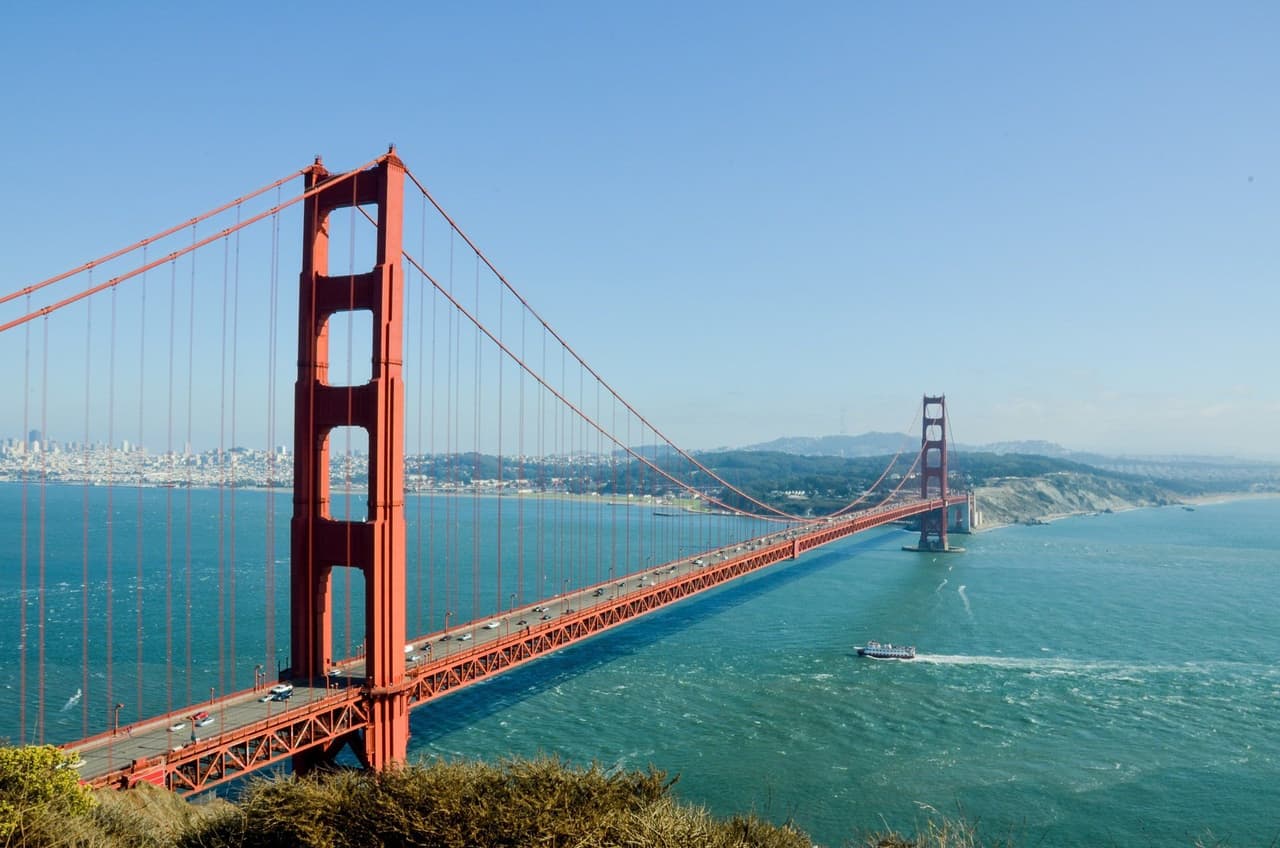
Two sights define San Francisco, and both live up to the hype. The Golden Gate Bridge is best experienced more than once: photographed from a distance at Battery Spencer or Marshall's Beach in the morning, then walked or biked across in the afternoon when the fog often lifts. The 1.7-mile span has a pedestrian and cyclist path, and the views back toward the city skyline are unforgettable.
Alcatraz Island is the other must-do, and it is the one experience you should book in advance. The former federal prison sits on a rocky island in the bay, reached by a short ferry from Pier 33. The award-winning audio tour, narrated by former guards and inmates, walks you through the cellblock, the dining hall, and stories of famous escape attempts. Demand is high year-round, so secure tickets early. Many visitors pair Alcatraz with a wider San Francisco Bay cruise that loops beneath the Golden Gate Bridge and around the island for the classic skyline view from the water.
Ride the Cable Cars and Explore Fisherman's Wharf
The cable cars are not a gimmick; they are the last manually operated cable car system in the world and a working National Historic Landmark. The Powell-Hyde line is the most scenic, climbing over Russian Hill with bay glimpses before plunging down toward the water. Hang on to a pole, ride on the running board if you can, and visit the free Cable Car Museum to see the giant wheels that haul the cables.
The cable car lines deliver you to Fisherman's Wharf, the bustling waterfront district. It is touristy, yes, but worth a wander for the barking sea lions at Pier 39, a bowl of clam chowder in a sourdough bread bowl, and the Musée Mécanique, a free arcade of antique coin-operated machines. From here you can also walk or bike the flat Embarcadero promenade toward the Ferry Building.
Wander the Neighborhoods
San Francisco rewards travelers who get off the tourist trail and into its distinct neighborhoods. The Mission District is the heart of the city's Latino culture and its mural scene, with vibrant alleyways like Balmy and Clarion, plus the city's best taquerias. North Beach, the historic Italian quarter and onetime home of the Beat poets, is made for an espresso and a slow afternoon. Climb to Coit Tower on Telegraph Hill for 360-degree views and Depression-era murals.
Nearby, Chinatown is the oldest and one of the largest in North America. Enter through the Dragon Gate at Grant Avenue and wander toward the Golden Gate Fortune Cookie Factory. For a different vibe, Haight-Ashbury preserves its 1960s counterculture roots, while the Castro is a landmark of LGBTQ+ history. Each neighborhood is its own small world, and hopping between two or three is one of the best free things to do in San Francisco.
Get Out into the Parks and the Pacific
For all its density, San Francisco is full of green and blue space. Golden Gate Park is larger than New York's Central Park and holds the de Young Museum, the California Academy of Sciences (an aquarium, planetarium, and rainforest under one living roof), the serene Japanese Tea Garden, and the San Francisco Botanical Garden.
On the western edge, the Lands End coastal trail winds past cypress groves, the ruins of the Sutro Baths, and sweeping ocean views, all the way to the Golden Gate. The Presidio, a former military base turned national park, offers forest trails, the Walt Disney Family Museum, and direct access to the bridge. These outdoor spaces are perfect for slowing down between the headline attractions, and most are free to enter.
Eat Your Way Through the City
San Francisco is one of America's great food cities, and eating well here doesn't require a tasting menu. Start with the essentials: a Mission burrito, naturally leavened sourdough that the city helped make famous, and fresh Dungeness crab in season (typically late fall into winter). Dim sum in or near Chinatown is a weekend ritual, and the Ferry Building Marketplace is a one-stop showcase of local oysters, cheese, coffee, and chocolate, with a celebrated farmers market on Saturdays.
For a deeper dive, a guided food tour through the Mission, Chinatown, or North Beach connects the dishes to the immigrant histories that shaped them, and usually turns up spots you would never find alone. Pair it with a day trip across the bridge to Napa or Sonoma wine country, an easy add-on for travelers with an extra day.
When to Visit and How to Get Around
San Francisco's weather defies expectations: summer is often the foggiest, coolest season, thanks to the famous marine layer locals nickname Karl the Fog. The clearest, warmest weather usually arrives in September and October, making early fall the sweet spot. Spring is pleasant and green, and winter is mild but wetter. Whatever the season, pack layers and a windbreaker; microclimates mean it can be sunny in the Mission and socked in at the bridge on the same afternoon.
Getting around is easy without a car, which is a relief given the city's notorious parking and hills. Muni buses and the Muni Metro, plus BART for the airport and East Bay, cover most of what you need; a reloadable Clipper card works across all systems. The compact core is walkable, ride-hail is plentiful, and renting a bike is a great way to cross the Golden Gate Bridge to Sausalito and ferry back.
Family-Friendly San Francisco
Kids do well here. The California Academy of Sciences and the nearby Exploratorium, a hands-on science museum on the Embarcadero, are reliable hits in any weather. Sea lions at Pier 39, the antique games at Musée Mécanique, and the cable cars themselves all feel like rides to younger travelers. A short, narrated bay cruise keeps little ones engaged while giving parents the postcard views, and Golden Gate Park has space to run plus a vintage carousel. Traveling with a larger crew? Our group travel options make it simple to book experiences for families and parties together.
Plan Your San Francisco Trip
San Francisco rewards a little planning, especially for Alcatraz and bay cruises that sell out, but it never feels rushed. Mix the icons with a neighborhood or two, build in a park afternoon, and leave room to follow the fog wherever it leads.
Ready to lock in the highlights? Browse our full catalog of San Francisco tours, cruises, and tickets for instant confirmation on most experiences and free cancellation on many. Questions about availability or building a custom itinerary? Reach our team at +1 (917) 935-4412 or Reservations@attractions4us.com, real people, happy to help.
Ready to explore San Francisco?
Browse 23 hand-picked experiences — booked in one place, confirmed instantly.
See San Francisco tours ▸Frequently asked questions
What is the one San Francisco attraction I should book in advance?
Alcatraz Island. Tickets for the ferry and audio tour sell out regularly, often days or weeks ahead in busy seasons, because capacity on the island is limited. Reserve as early as you can. Bay cruises that pass the island and the Golden Gate Bridge are a popular alternative or add-on if Alcatraz is sold out.
When is the best time of year to visit San Francisco?
September and October typically bring the clearest, warmest weather, since the famous summer fog (the marine layer) has eased. Spring is mild and green, and winter is cooler and wetter but still walkable. Whenever you go, pack layers and a windbreaker, because the city's microclimates mean conditions can change from one neighborhood to the next.
Do I need a car to get around San Francisco?
No. The city's compact core is walkable, and the Muni bus and Metro network, plus BART for the airport and East Bay, covers most attractions. A reloadable Clipper card works across all systems. Given the steep hills and limited, expensive parking, most visitors find public transit, ride-hail, and the occasional cable car or bike far easier than driving.