Few cities pack as much history, culture, and sheer monumental drama into a walkable core as Washington DC. The nation's capital is a place where you can stand where Martin Luther King Jr. delivered "I Have a Dream," walk through world-class museums without paying a cent, and watch the sun set behind the Lincoln Memorial — all in a single afternoon. Whether you're visiting for the first time or returning to dig deeper, this guide covers the best things to do in Washington DC, from the marble monuments of the National Mall to neighborhood food halls, river cruises, and family-friendly favorites.
DC rewards travelers who plan a little. The attractions are concentrated, but the city is bigger and more layered than the postcard view suggests. Here's how to make the most of it.
Walk the National Mall and Its Monuments
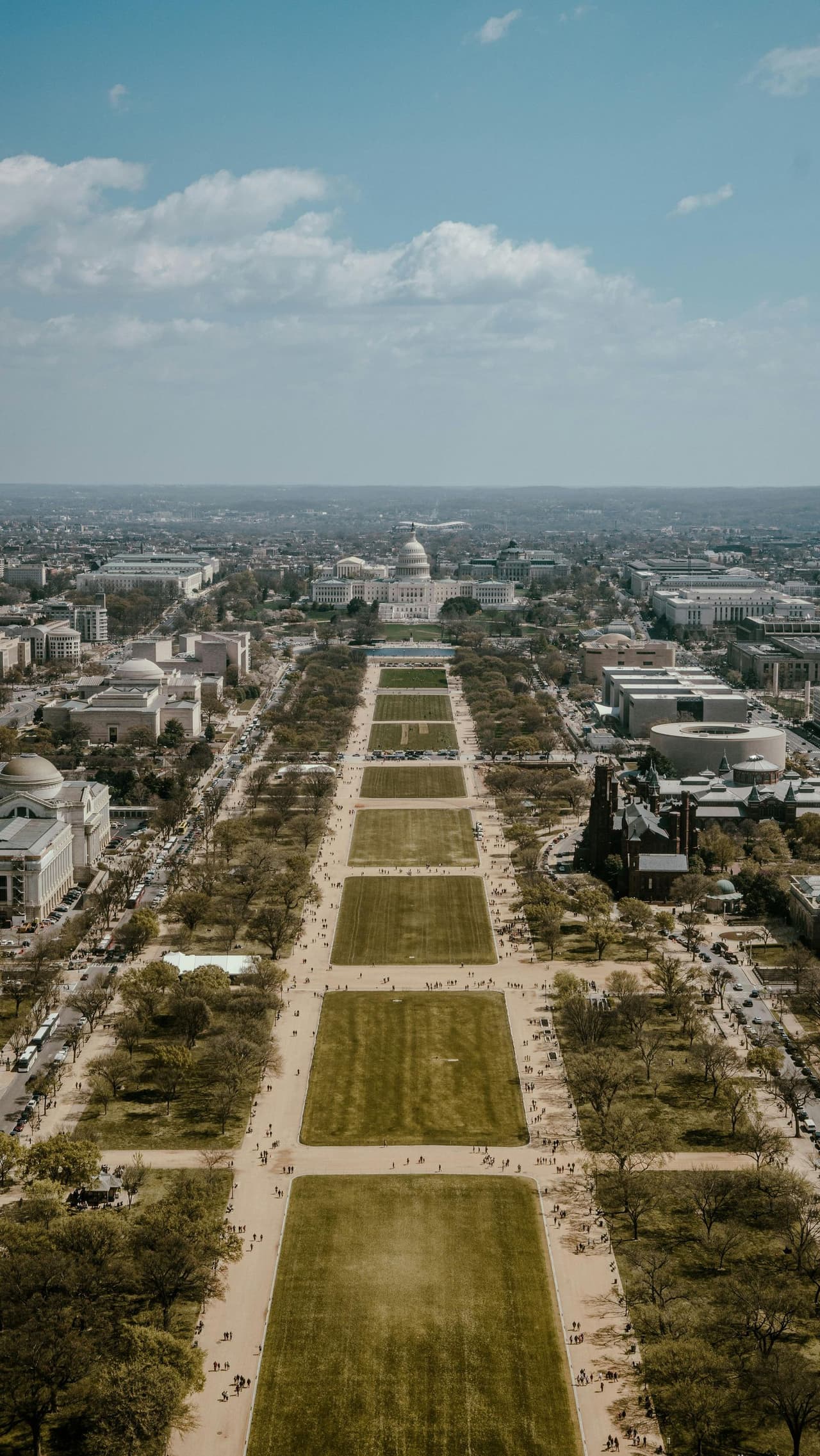
The National Mall is the beating heart of any DC visit — a two-mile green corridor stretching from the U.S. Capitol to the Lincoln Memorial, lined with the country's most iconic landmarks. Start at the Washington Monument, the towering obelisk visible from nearly everywhere in the city, then follow the Reflecting Pool to the Lincoln Memorial, where Abraham Lincoln gazes out from his marble chair.
Don't rush the rest. The World War II Memorial, the Korean War Veterans Memorial, the haunting black granite of the Vietnam Veterans Memorial, and the Martin Luther King Jr. Memorial each reward a slow, thoughtful visit. The monuments are especially moving after dark, when they're softly lit and far less crowded — many travelers say a nighttime monument tour is the most memorable thing they do in DC. Because the Mall is large, a guided trolley or bike tour is a smart way to cover the highlights without exhausting yourself on foot.
Explore the Smithsonian Museums
Here's the best-kept secret that isn't really a secret: most of Washington's marquee museums are free. The Smithsonian Institution operates more than a dozen museums and galleries, the majority clustered around the Mall, and admission costs nothing.
The National Air and Space Museum (home to the Wright Flyer and Apollo-era spacecraft) and the National Museum of Natural History (with the Hope Diamond and a beloved dinosaur hall) are perennial favorites. The National Museum of African American History and Culture is a powerful, deeply researched experience that often requires planning ahead. Art lovers should make time for the National Gallery of Art, while curious minds can lose hours in the National Museum of American History.
A practical tip: you cannot see them all in one trip, so pick two or three that genuinely excite you rather than speed-walking through everything. Some of the most popular museums use timed-entry passes during busy seasons, so check the official sites before you go.
Take a Potomac River Cruise
Seeing DC from the water gives you a completely different perspective on the city. A Potomac River cruise glides past the Lincoln Memorial, the Jefferson Memorial, and the Kennedy Center, with the cherry-tree-lined Tidal Basin in view during spring. Options range from narrated sightseeing cruises and water taxis connecting the Mall to Georgetown and Alexandria, to relaxed brunch, lunch, and dinner sailings.
Sunset cruises are particularly special, framing the monuments in golden light as the city's skyline (kept deliberately low by law) stretches along the shore. Booking ahead through a curated marketplace means you get instant confirmation and a clear cancellation policy, so you can lock in the best evening departure without uncertainty.
Visit the Capitol, the White House, and Beyond
Beyond the monuments, DC is the seat of American government, and several institutions welcome visitors. The U.S. Capitol offers free guided tours through its historic chambers and the soaring Rotunda — reservations are recommended and can often be arranged through your representative's office or online. The adjacent Library of Congress is breathtaking, with its ornate Great Hall and the Main Reading Room.
White House tours are possible but require advance requests through your member of Congress (or your embassy for international visitors), so plan weeks ahead. If a tour doesn't work out, the view from Lafayette Square or the Ellipse is still worth the walk. Round out a government-themed day at the National Archives, where you can see the original Declaration of Independence, Constitution, and Bill of Rights.
Discover DC's Neighborhoods and Food Scene
Step beyond the Mall and you'll find a city of distinct, lively neighborhoods. Georgetown charms with cobblestone streets, the C&O Canal towpath, and waterfront shopping and dining. U Street carries deep roots in jazz and African American history — and is home to Ben's Chili Bowl, the legendary spot for a half-smoke, DC's signature sausage. Adams Morgan buzzes with international restaurants and nightlife, while The Wharf along the Southwest waterfront has transformed into a stylish district of restaurants, live-music venues, and boat docks.
For food, DC punches well above its weight. Don't miss Eastern Market on Capitol Hill for weekend stalls, the historic Maine Avenue Fish Market for fresh seafood, and an Ethiopian dinner near U Street — the city has one of the largest Ethiopian communities in the country. Pair your sightseeing with a curated food or neighborhood walking tour to taste the city like a local. You can browse experiences for the capital on the Washington DC destination page.
When to Visit and How to Get Around
The best times to visit Washington DC are spring and fall. Spring brings the famous cherry blossoms around the Tidal Basin — typically late March into April, though the exact peak shifts each year with the weather. Fall delivers crisp air, golden foliage, and thinner crowds. Summers are hot and humid, while winters are quieter and often pleasantly uncrowded for indoor museum-hopping.
Getting around is easy without a car. The Metro subway is clean, efficient, and reaches most attractions; the Metrobus and the DC Circulator fill in the gaps. Much of the monumental core is genuinely walkable, and bike-share stations are everywhere. Skip driving downtown if you can — parking is scarce and expensive, and traffic can be heavy. From the airports, Metro connects directly to Reagan National (DCA), while Dulles (IAD) is now reachable via the Silver Line.
Family-Friendly Things to Do
DC is one of the most kid-friendly destinations in the country, largely because so much of it is free and hands-on. The Smithsonian's National Zoo (also free) is famous for its animals and conservation programs. The National Air and Space Museum thrills future astronauts, while the National Museum of Natural History delivers dinosaurs, gems, and an insect zoo.
For outdoor energy, let kids run on the Mall, ride the historic carousel near the Smithsonian Castle, or paddle a boat on the Tidal Basin in warmer months. Many sightseeing trolley tours and cruises are designed with families in mind, offering flexible hop-on, hop-off routes that keep little legs happy. Traveling with a group? Organized group experiences make logistics far simpler for school trips, reunions, and multi-family vacations.
Plan Your Washington DC Adventure
Washington DC blends history, culture, and beauty in a way no other American city can match — and the best part is how much of it is genuinely accessible. From monument-lit evenings to museum mornings and a sunset cruise on the Potomac, your perfect itinerary is waiting.
Ready to book? Browse handpicked tours, cruises, and tickets on Attractions4Us, with instant confirmation on most experiences, free cancellation on many, and real human support whenever you need it. Explore the full tour catalog or reach our team at +1 (917) 935-4412 or Reservations@attractions4us.com — and start planning a capital trip you'll never forget.
Ready to explore Washington DC?
Browse 24 hand-picked experiences — booked in one place, confirmed instantly.
See Washington DC tours ▸Frequently asked questions
How many days do you need to see Washington DC?
Three to four days is ideal for a first visit. That gives you enough time to walk the National Mall and its monuments, explore two or three Smithsonian museums, take a Potomac River cruise, and experience a neighborhood like Georgetown or U Street without feeling rushed. A long weekend covers the highlights if your time is limited.
Are the museums in Washington DC really free?
Yes. The Smithsonian Institution operates more than a dozen museums and galleries — including Air and Space, Natural History, and American History — and admission is free. The National Gallery of Art and the National Zoo are free as well. Some popular museums use free timed-entry passes during busy seasons, so check the official sites before you visit.
What is the best time of year to visit Washington DC?
Spring and fall are the most comfortable and scenic. Spring brings the famous cherry blossoms around the Tidal Basin, usually peaking in late March or April depending on the weather, while fall offers crisp air and beautiful foliage with smaller crowds. Summers are hot and humid, and winters are quieter — great for indoor museum-hopping.